Around the World in 40 Fruits – Volume 38 – By Dr. Marli Botha – Article 38 of 40
By Dr. Marli Botha
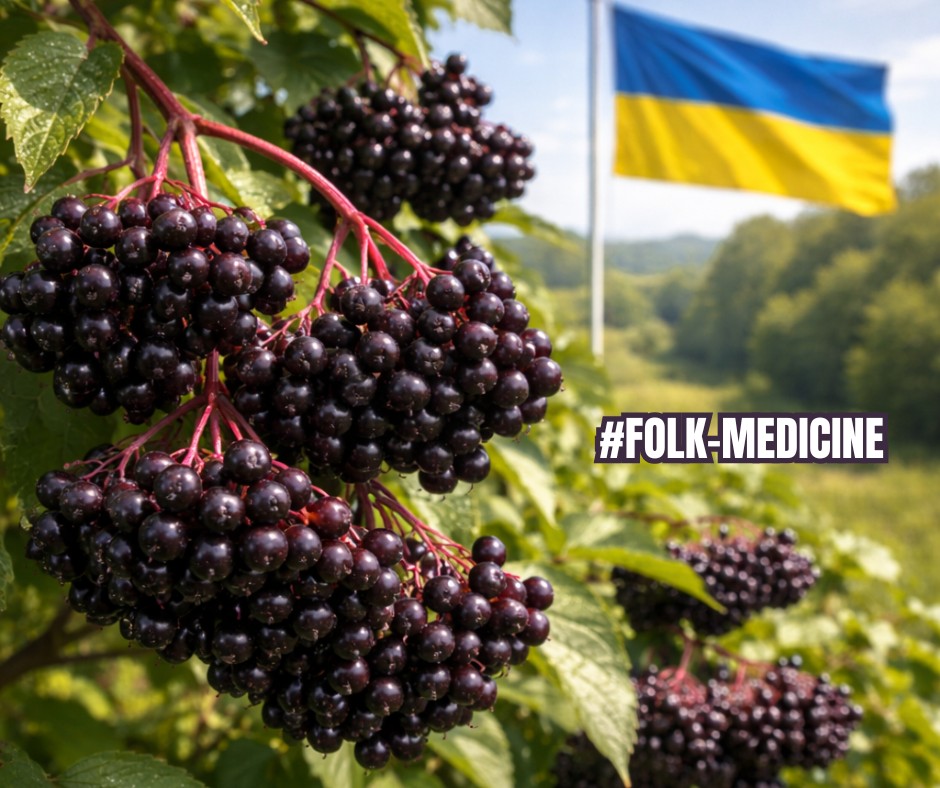
Ukraine is a significant source of elderberries, particularly for the international market, known for high-quality, often organic berries. All elderberries must be cooked before consumption; raw berries and seeds are toxic and can cause cyanide poisoning.
Let’s step into the hedgerows and discover why this ancient berry continues to grow in importance from village traditions to global demand:
- Elder” and “elderberry” refer to the same plant (genus Sambucus) and its parts, with “elder” being the common name for the shrub/tree, “elderflower” for the flowers, and “elderberry” for the fruit, though only the cooked berries and flowers are safe to consume.
- These berries are used in immune-boosting syrups, teas, and jams, with domestic cultivation growing, though traditionally grown wild and used in folk medicine.
- Ukrainian universities are developing domestic cultivars like ‘Chorna Ruta’ for industrial farming, focusing on high antioxidant content.
- It is a nitrogen-tolerant plant and thus is often found near places of organic waste disposal. Elders are often grown as a hedgerow plant in Britain since they take very fast, can be bent into shape easily, and grow quite profusely, thus having gained the reputation of being an “instant hedge”. It is not generally affected by soil type or pH level and will grow virtually anywhere sufficient sunlight is available.